
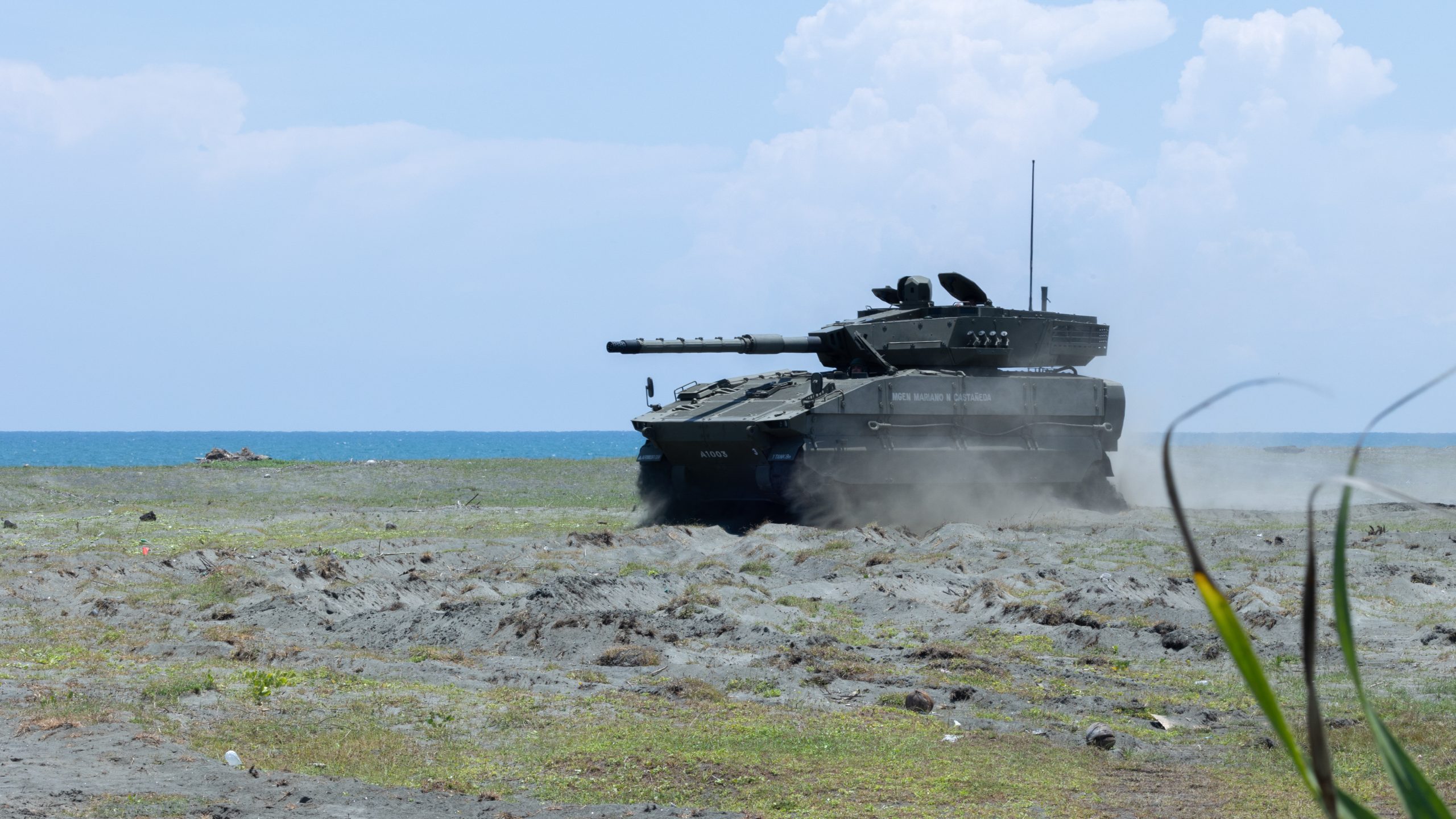
On the United States’ Plea to Increase Philippine Defense Spending to 3.5% of the GDP
The Philippine government, through the Department of Economic Planning and Development or DEPDev (formerly NEDA), clearly mentions that the country will face challenges in fulfilling the plea of the United States government for an increase in defense spending to at least 3.5% in Gross Domestic Product.
Based on the figures provided by the International Monetary Fund (IMF), the Gross Domestic Product of the Philippines in 2026 is at US$512.22 Billion, which is approximately Php 30.22 Trillion, converted into the current exchange rate of approximately US$1.00 – Php 58.99 pesos.
This means that, upon calculating the figures provided, the Philippine government needs to shoulder at least Php 1.057 Trillion pesos to reach the desirable spending required by the United States government, which means that it is even greater than the budget allotted to the Department of Education under the 2026 General Appropriations Act, which is currently at Php 958 Billion.
Given how equally important is in providing the budget into other sectors that the government seems fit, it is clear that the desirable allotment of at least 3.5% Gross Domestic Product is unattainable, although it is worth mentioning that the United States recognizes the effort that the Philippines have in burden-sharing.
Moving forward, this fully highlights the country’s need to improve its economic performance, notably its manufacturing industries, where opportunities like the Luzon Economic Corridor and the Pax Silica initiatives of the United States and Japan might help the Philippines improve its cash flow.
Doing so will eventually achieving the needed defense spending which corresponds into addressing its ongoing capability improvement and added facilities that will accommodate its newly-purchased military hardware, all of which are the efforts pushed in modernizing the Armed Forces of the Philippines.
= = = = = = =

(c) 2026 Pitz Defense Updates, a Pitz Defense Analysis extension.